
News
13 July 2026Community-Based Disaster Management Model Studied in Southern Thailand
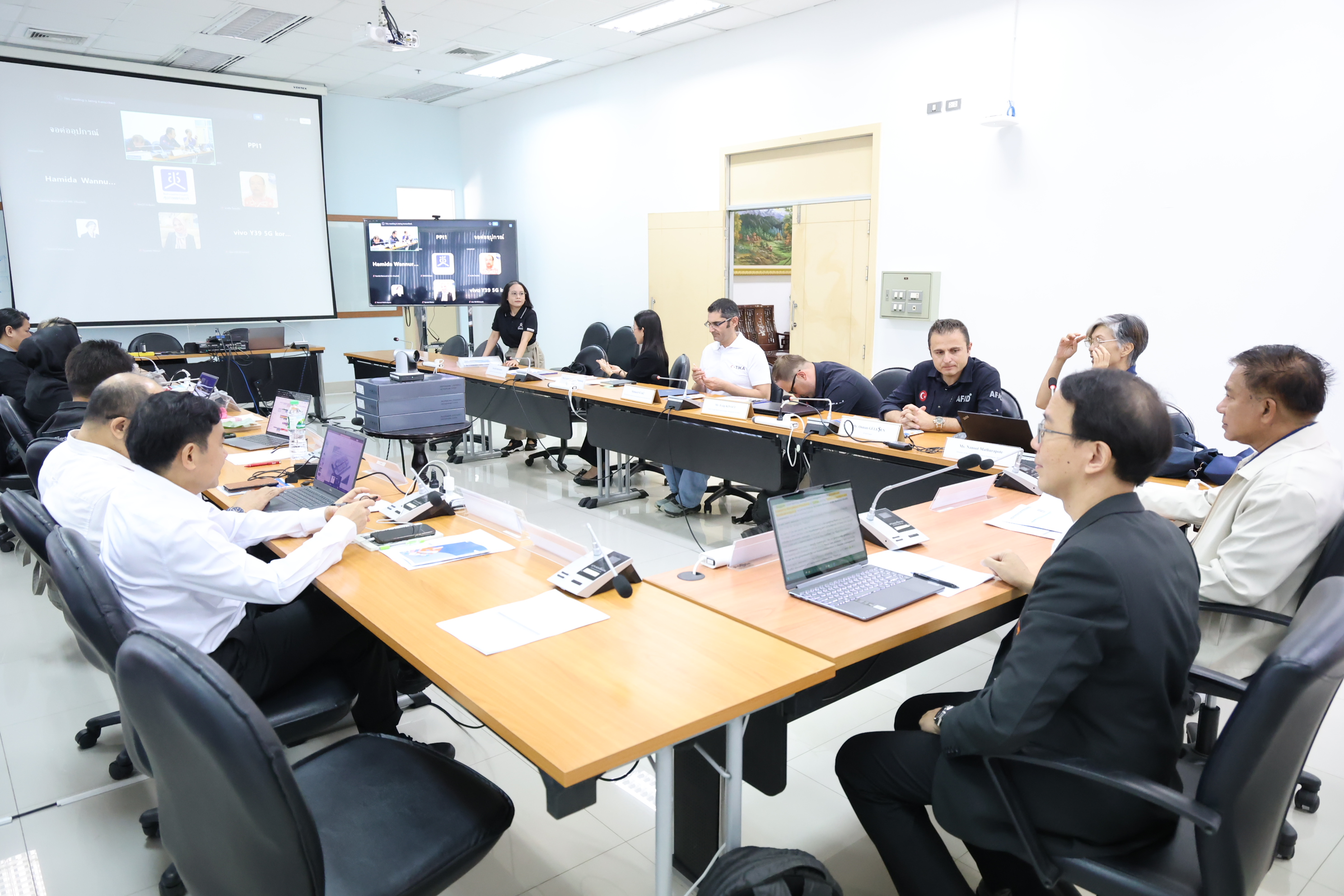
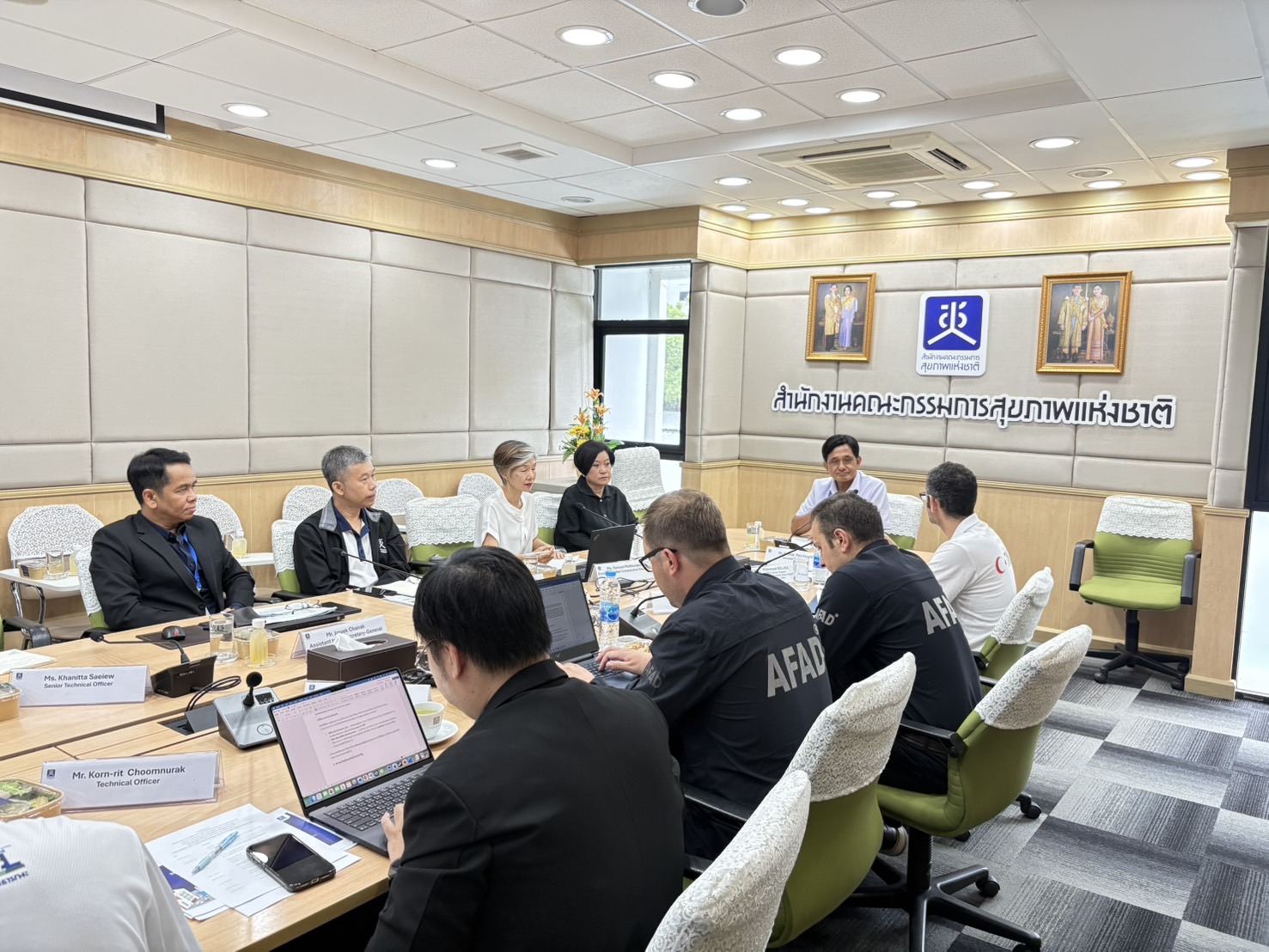

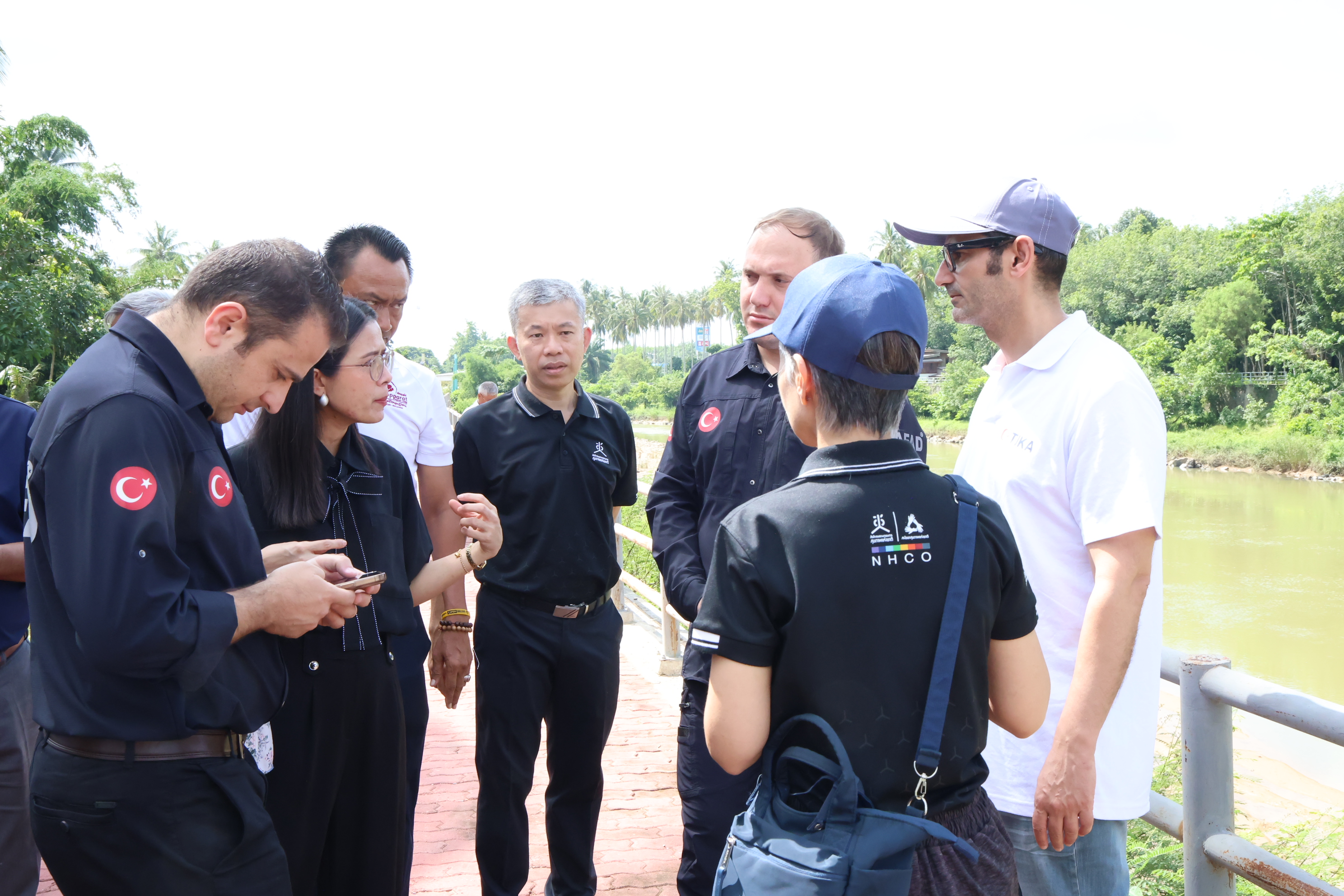
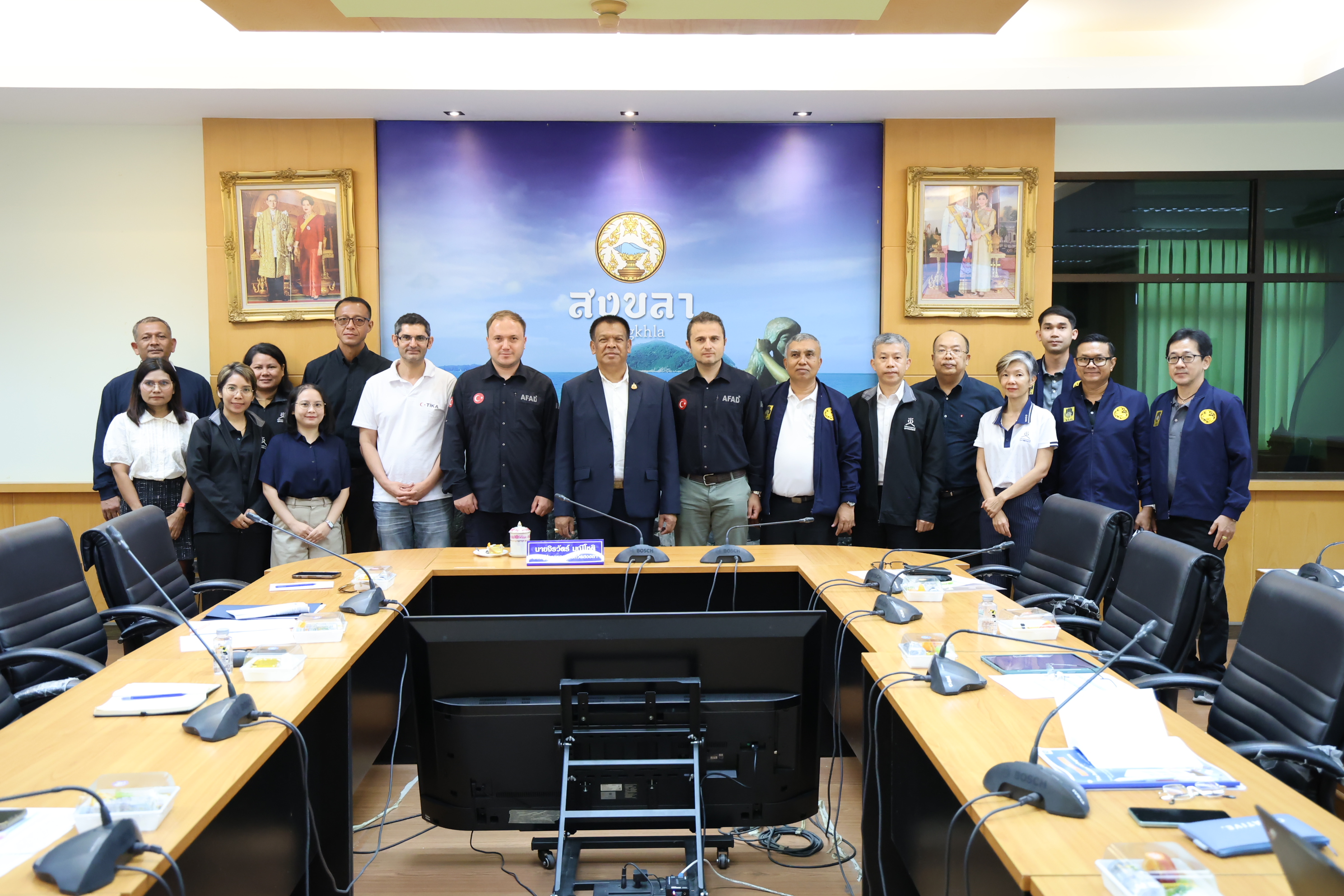
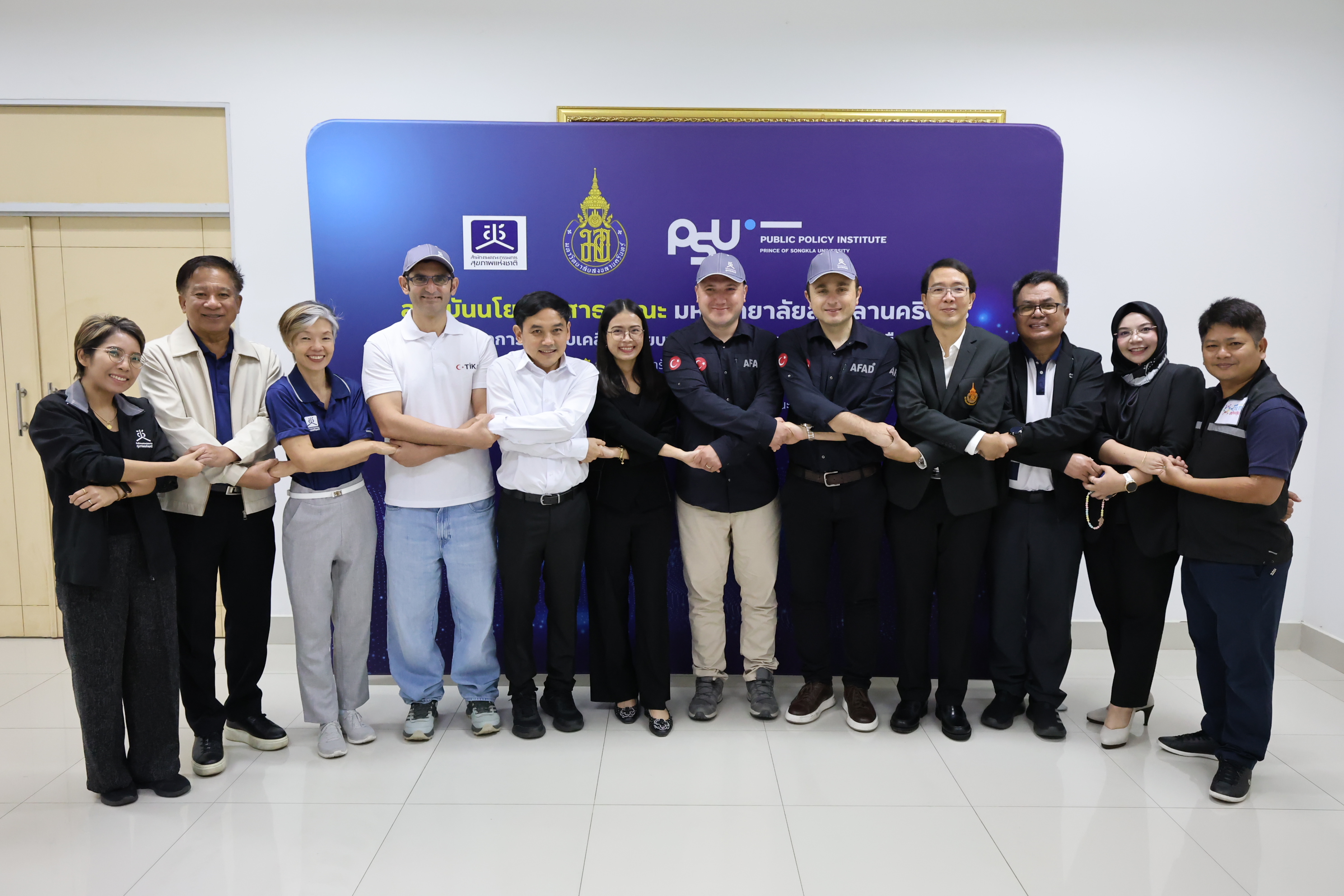
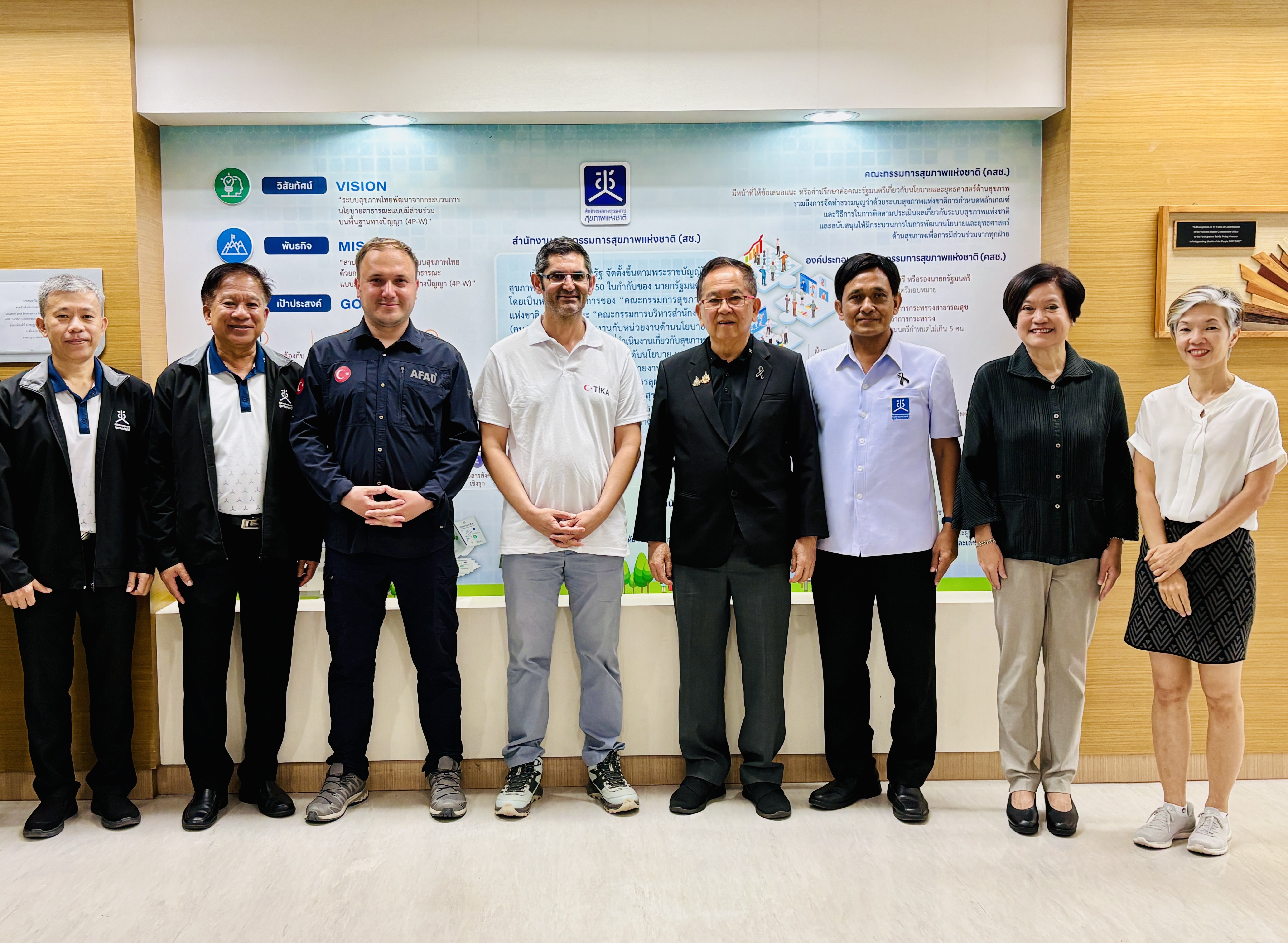
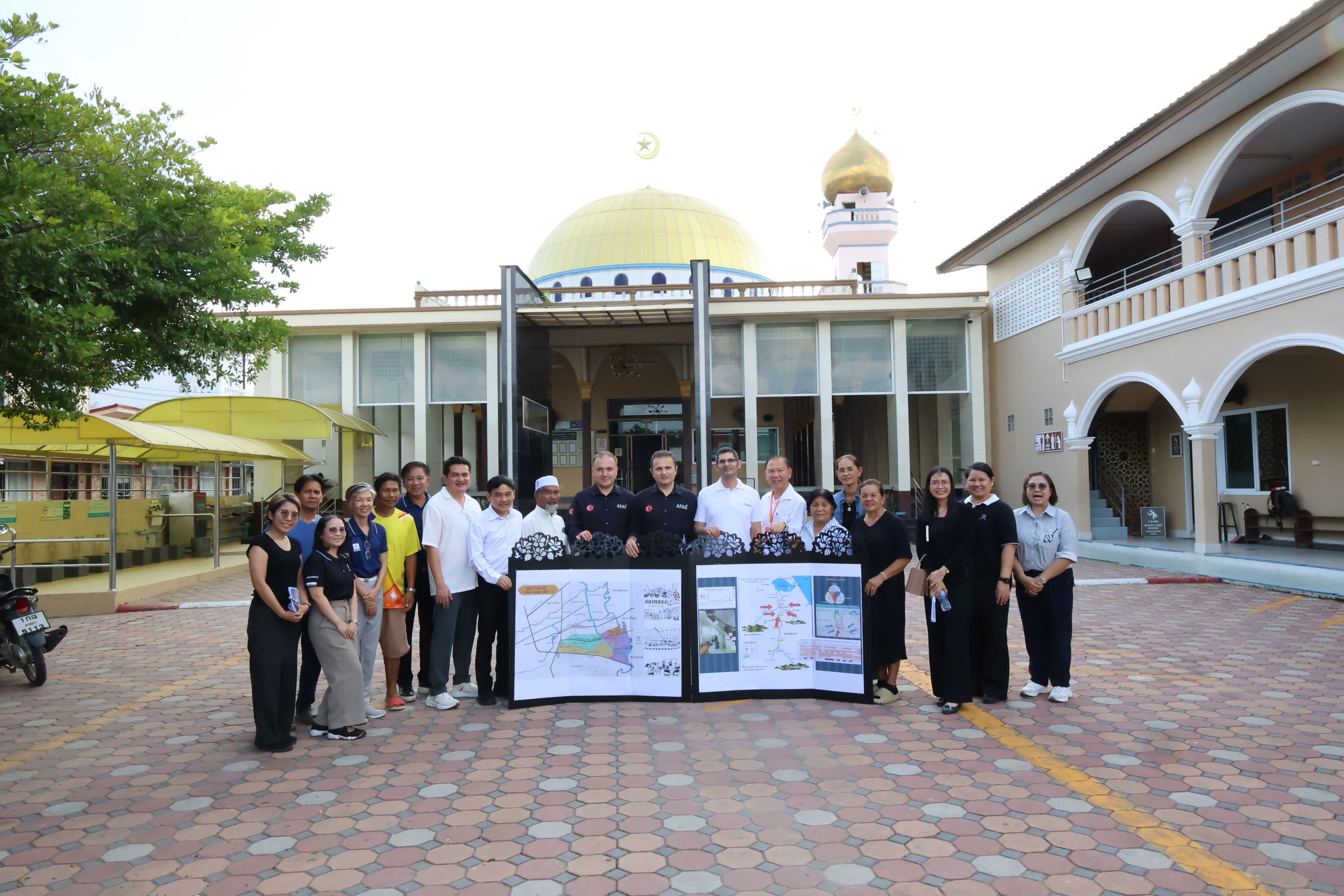
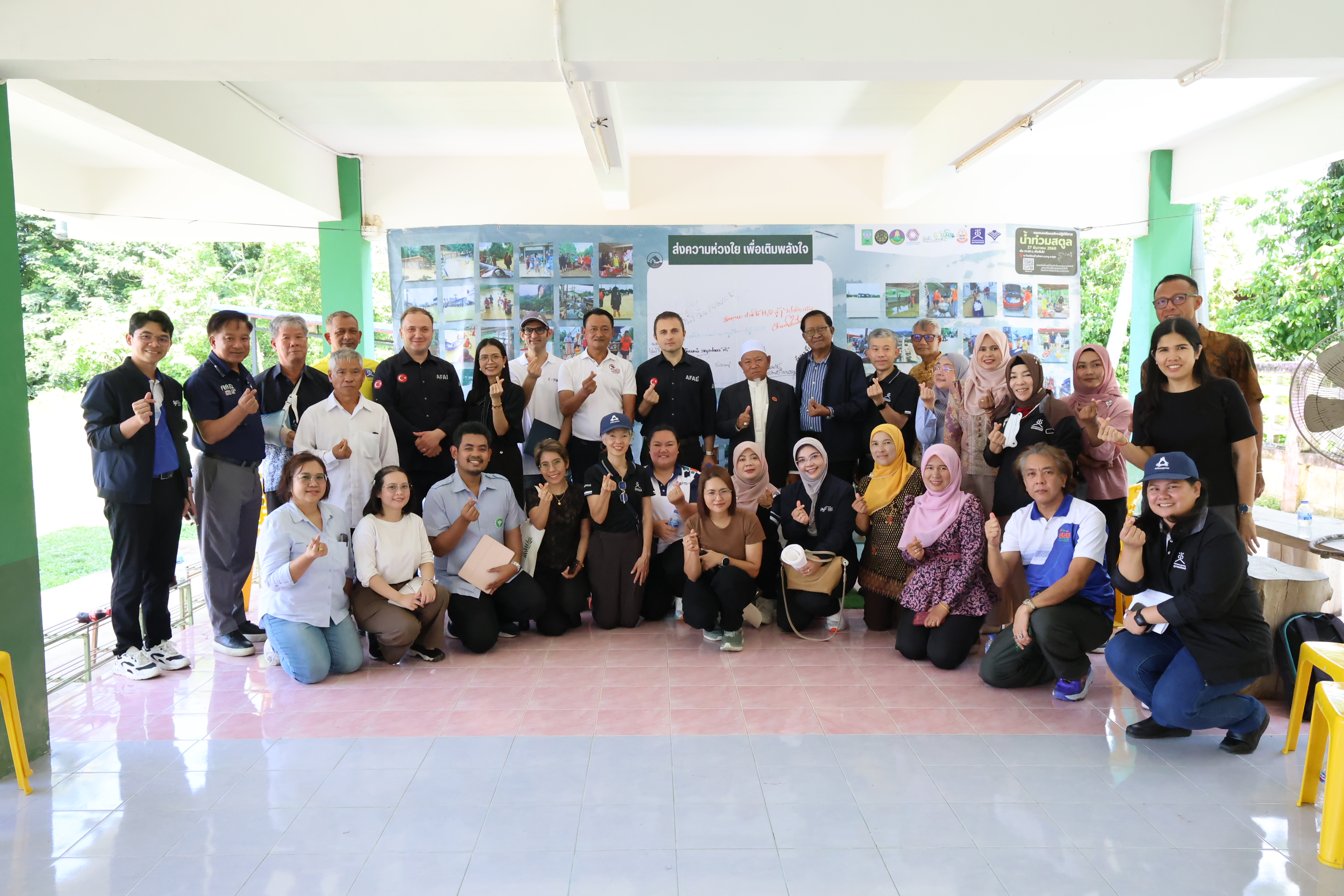
A field programme on community-based disaster management was carried out in Southern Thailand through the cooperation of the Turkish Cooperation and Coordination Agency (TİKA), Thailand’s National Health Commission Office (NHCO), and Türkiye’s Disaster and Emergency Management Authority (AFAD).
The programme brought together NHCO Deputy Secretary-General Dr. Waranyou Satayavongtip, Deputy Secretary-General and Director of the NHCO Regional Office Somkiat Pitakkamolporn, Director of the NHCO Global Collaboration Department Nanoot Mathuraphot, NHCO officials, and experts from AFAD and TİKA for field visits in Songkhla and Satun provinces. The delegation examined community-based disaster management practices, public participation mechanisms in decision-making processes, and coordination systems at district and provincial levels while exploring opportunities to strengthen disaster management cooperation between Türkiye and Thailand.
During the three-day programme, the delegation participated in meetings hosted by the Institute of Public Policy at Prince of Songkla University. The delegation subsequently visited Ban Khuan Santi Community in Hat Yai District of Songkhla Province and Ban Kota Community in La-ngu District of Satun Province, where community-based flood management practices have been implemented following the devastating floods that struck Southern Thailand in 2025. The programme also included a visit to La-ngu Hospital, where participants received briefings on local disaster preparedness and emergency response practices and exchanged professional experience with Thai counterparts.
Nanoot Mathuraphot, Director of the NHCO Global Collaboration Department, stated that NHCO addresses complex social challenges through its “Triangle that Moves the Mountain” approach, which brings together academia, government institutions, and civil society organizations. She noted that Thailand has experienced increasingly frequent and severe disasters over the past two decades, including floods, tsunamis, and emerging infectious diseases. She emphasized that strengthening community-based disaster management, improving data infrastructure, and developing policy recommendations aligned with international standards have therefore become national priorities.
Eyüp Kınacı, Head of the Search and Rescue Operations Working Group at AFAD, stated that the launch of a Community-Based Disaster Management Programme in Thailand would help establish a long-term and sustainable disaster management framework. AFAD expert Osman Güleşen introduced Türkiye’s integrated emergency management system for flood and earthquake disasters, highlighting the country’s standard operating procedures covering early warning, evacuation, emergency response, and post-disaster recovery. He underlined that these procedures have enabled effective inter-agency coordination and shared Türkiye’s experience with Thai stakeholders.
Chakrit Pocharuang, representative of the Songkhla Community Foundation, stressed that the cooperation between AFAD, TİKA, NHCO, and local institutions aims to strengthen communities’ capacity to respond independently during the initial phase of disasters. He noted that the field visits revealed local strengths, inter-institutional cooperation potential, and actual community needs, providing a solid foundation for the development of projects tailored to regional priorities.
Wirat Omanee, Head of Ban Kota Village, explained that a local disaster coordination centre and a volunteer network had been established based on lessons learned from previous floods. He added that GPS technology and the COPI software system are being used to register the locations of vulnerable groups, improve evacuation planning, and support the expansion of the model across the province.
Representatives of Ban Khuan Santi Community also shared their experiences from the major floods of 2025, noting that inadequate preparedness and transportation difficulties had significantly hampered emergency response operations. They emphasized that communities should be equipped with basic rescue equipment to enable self-response until external assistance arrives.
The NHCO and Turkish delegation also met with Songkhla Deputy Governor Jirawat Maneechot, Director of the Songkhla Disaster Prevention and Mitigation Office Sophon Thongsai, local government officials, and municipal representatives to discuss opportunities for strengthening community-based disaster management systems.
During the meetings, the Songkhla Deputy Governor and the Director of the Songkhla Disaster Prevention and Mitigation Office expressed their full support for the Community-Based Disaster Management (CBDM) approach. They noted that disaster preparedness training and community response planning have been implemented throughout the province for many years and emphasized that sustainable action plans, strengthened community capacity, and close coordination among all stakeholders are essential for effective disaster management.
Following the field visits, a review meeting was held at NHCO Headquarters in Bangkok to evaluate the lessons learned. During the meeting, Dr. Porntep Siriwanarangsun, President of the National Emergency Fund under the Royal Patronage of Her Royal Highness Princess Maha Chakri Sirindhorn, presented representatives of TİKA and AFAD with the Royal Princess’s commemorative insignia.
A separate project development meeting focusing on project feasibility, proposal preparation, and risk management was attended by NHCO Secretary-General Dr. Suthep Petchmark, NHCO Chief Advisor and former President of the Thailand International Cooperation Agency (TICA) Ureerat Chareontoh, together with senior NHCO officials. The meeting explored concrete steps for advancing future cooperation on community-based disaster management between Türkiye and Thailand.
Next News
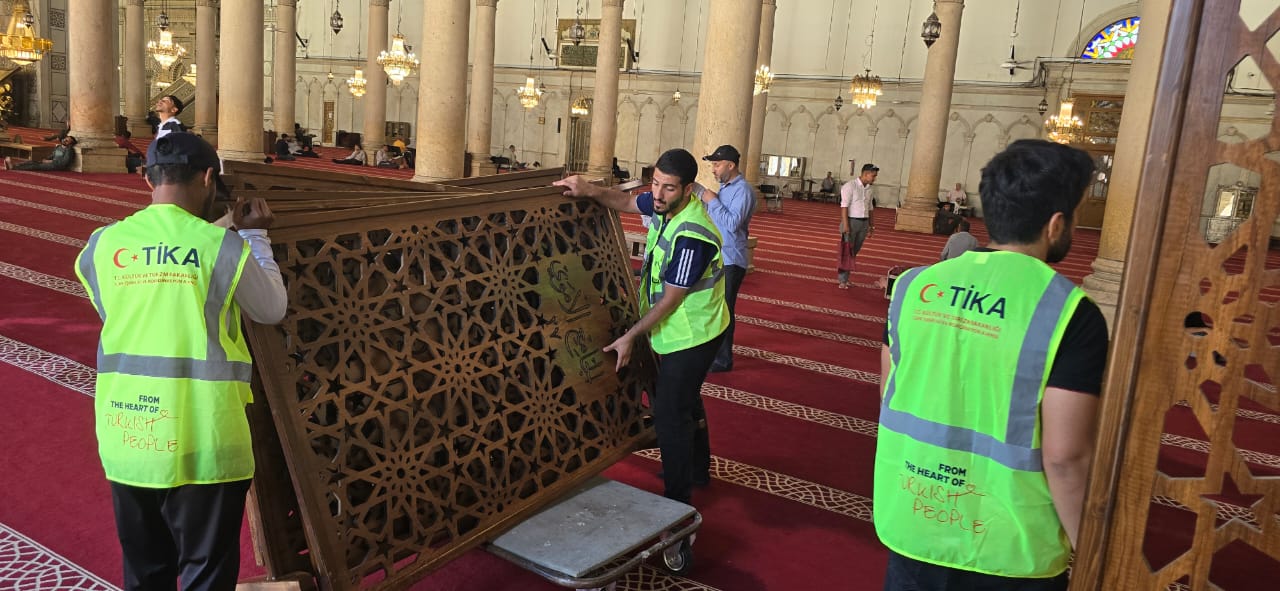
TİKA contributes to a better visitor-experience at the Umayyad Mosque in Damascus
Turkish Cooperation and Coordination Agency (TİKA) continues its projects aimed at preserving the historical and cultural heritage in Syria such as the recently completed “The Umayyad Mosque Infrastructure Development Project”. The Project included providing aluminium...